
Self-Care for Foster Parents & Caregivers
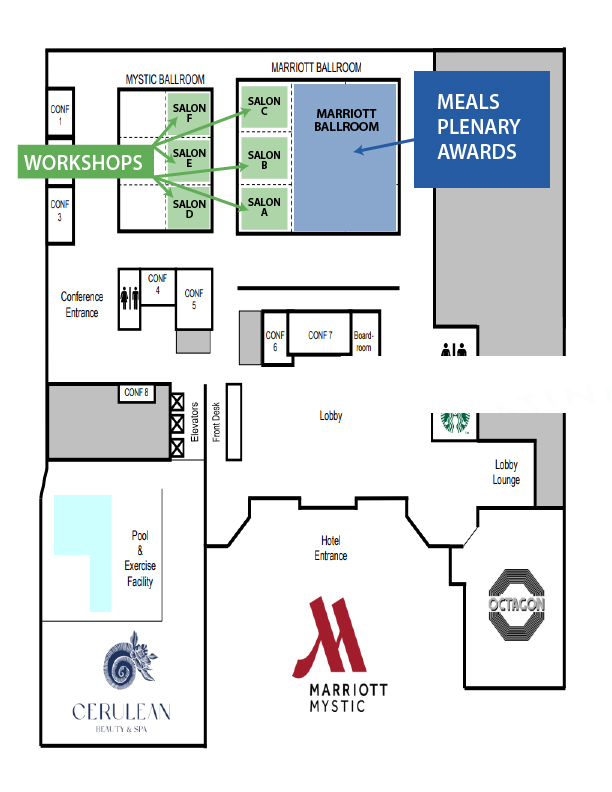
Salon D
Saturday | Workshop B
10:35 am – 12:05 pm
CECs: 1.5
Presented by: Juliette Cole, LPC
The training will explore six domains of self-care—physical, emotional, mental, social, spiritual, and practical—and introduced evidence-informed self-regulation, boundary-setting, and coping strategies for both daily routines and crisis situations. Participants will develop individualized self-care plans and identify available support systems, including respite care and peer support. Emphasis will be placed on increasing caregiver resilience, sustaining long-term placements, and improving overall well-being to enhance the quality of care provided to children in foster placements.
By the end of this workshop, participants will be able to:
- Identify common sources of stress, burnout, and secondary traumatic stress experienced by foster parents and caregivers.
- Recognize personal warning signs of caregiver fatigue and emotional overload related to foster care responsibilities.
- Differentiate between self-care myths and effective self-care practices specific to the foster care experience.
- Describe at least six areas of self-care (physical, emotional, mental, social, spiritual, and practical) and how each supports caregiver well-being.
- Apply practical self-regulation and coping strategies to manage stress in both daily routines and crisis situations.
- Demonstrate the importance of healthy boundaries in sustaining long-term foster care placements and caregiver wellness.
- Develop a personalized self-care plan that includes daily, weekly, and emergency strategies tailored to individual needs and circumstances.
- Identify support systems and resources available to foster caregivers, including respite care and peer support.
- Increase confidence in prioritizing self-care without guilt, recognizing it as a necessary component of effective caregiving and committing to at least one actionable self-care step to implement following the training.