
Plenary Session | Fostering Relationships: How Foster Parents Can Support Successful Parent-Child Visits
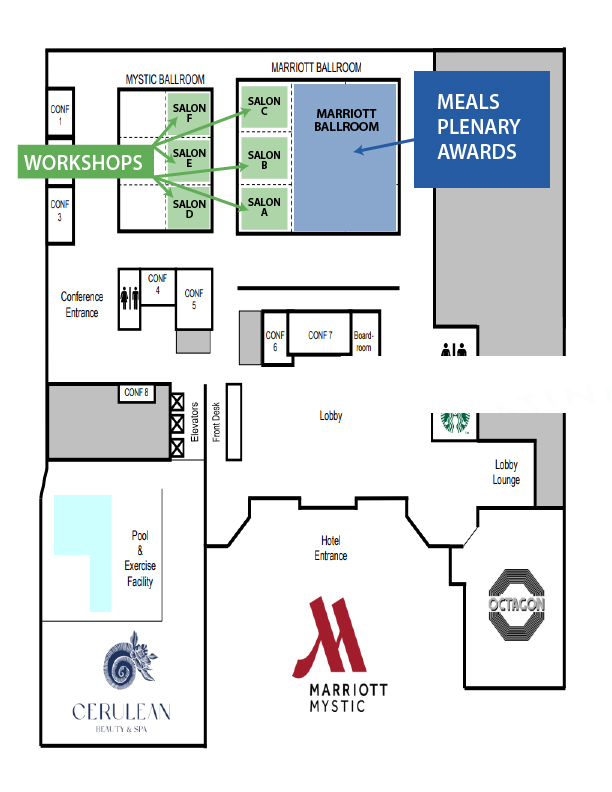
Marriott Ballroom
Saturday | Plenary
12:05 pm – 1:35 pm
Presented by Carole Shaffer, BSW
Youth Law Center’s Senior Director of Strategic Initiatives
Visits between children in foster care and their birth parents are some of the most important — and
most vulnerable — moments in the reunification journey. They are also, too often, a source of conflict
and misunderstanding between foster and birth parents.
Young children — especially those 5 and under — naturally form attachment bonds with their primary
caregivers. When a child in foster care reunites with a birth parent, they may protest, cling, or withdraw, not because anything has gone wrong, but because they are encountering someone who has become less familiar in an unfamiliar situation. Birth parents may interpret this as evidence that the foster parent has alienated their child. Similarly, when children return home after a visit feeling stressed or dysregulated, foster parents may worry that something happened — when in fact, this too is a normal and expected response. These misunderstandings can breed mistrust and tension at a time when collaboration matters most.
Fostering Relationships (also known as ABC-V) is a 5-session intervention designed to change that
dynamic. Using a structured, scripted curriculum, both foster parents and birth parents learn about
attachment theory as part of the intervention, giving them a shared framework for understanding
children’s behavior. Foster parents then take on a new and meaningful role — serving as supportive
coaches during birth parent visits, encouraging parents in real time by praising them when they follow their child’s lead or offer positive reinforcement to their child. Rooted in the published literature on attachment and early childhood, this intervention transforms visits from a flashpoint into an opportunity for children, for families, and for the adults who care for them.
Learning Objective
By the end of this workshop, participants will be able to:
- Explain why parent-child visits are a common source of conflict between foster and birth parents and how children’s attachment behaviors contribute to misunderstandings on both sides.
- Describe how attachment theory helps explain young children’s reactions during and after visits with birth parents, including separation protest and post-visit stress.
- Explain the purpose and structure of the Fostering Relationships (ABC-V) intervention, including a 5-session format, target population of children ages 5 and under, and how it is delivered by child welfare staff.
- Describe how both foster and birth parents learning attachment theory creates a shared
framework that can reduce conflict and build collaboration. - Identify the foster parent’s role as a supportive coach during visits, using a strengths-based
approach to encourage birth parents and promote secure attachment interaction
About Carole Shaffer:
In 2012 after serving as Executive Director since 1994, and before that, as a Staff Attorney since 1981, Carole’s work has focused on improving outcomes for foster youth. She has done this through developing better services for infants and young children in the child welfare system, working with faith communities to provide support and services for at-risk youth, and reducing the use of shelter care for foster youth, particularly for infants and toddlers. Carole co-created the Quality Parenting Initiative (QPI) project, which is focused on developing positive culture change within the child welfare system. She has also worked to improve access to community and family for youth in the juvenile justice system through introducing child welfare practices to probation departments in California. With Georgetown Professor Rachel Barr, Carole has developed a hands-on parenting project called Just Beginning, now being instituted in five facilities in California and one in Ohio. Also referred to as the Baby Elmo Project, Just Beginning provides at risk-youth with parenting tools to communicate and build relationships with their children, thus positively affecting the development of the baby and the father. Before joining the Youth Law Center, Carole worked at the ACLU of Louisiana.